phbet Understanding Game Variance
phbet: Mastering Game Variance in Casino, Poker, and Sports Betting
Welcome, seasoned players, to an in-depth exploration of a fundamental concept that separates casual gamblers from strategic bettors: game variance. At phbet, we understand that true success in the dynamic worlds of casino games, poker, and sports betting isn't just about understanding the rules or even basic strategies; it's about comprehending and managing variance. Variance, in essence, is the natural fluctuation of outcomes around an expected value. It’s the reason why even with a statistically advantageous strategy, you can experience losing streaks, or conversely, winning streaks that seem too good to be true. This advanced guide aims to equip you with the knowledge and tools to not only understand variance but to harness it, mitigate its negative impacts, and make more informed decisions across your betting journey. Whether you're grinding at the poker tables, spinning the reels, or placing your wagers on your favorite sports teams, mastering variance is crucial for long-term profitability and sustainable enjoyment. Let’s dive deep into how this statistical reality shapes your experience and how you can navigate its unpredictable waters at phbet.
Table of Contents
- What is Game Variance?
- Understanding Variance in Casino Games
- Variance and Downswings in Poker
- Navigating Variance in Sports Betting
- Advanced Strategies to Manage Variance
- The Psychological Impact of Variance and How to Overcome It
What is Game Variance?
Game variance, often referred to as statistical variance, measures how far a set of numbers (in our case, game outcomes) is spread out from their average value. In gambling, it quantifies the degree of deviation from the expected return. A low-variance game tends to have outcomes that are consistently close to the expected value, meaning smaller wins and losses but with higher frequency. Conversely, a high-variance game will see outcomes deviate significantly from the average, leading to fewer but potentially larger wins or more frequent, smaller losses. Understanding this core concept is paramount because it directly impacts your bankroll management, risk assessment, and overall strategy. It's the mathematical explanation for why you can have a great strategy but still hit a prolonged losing streak, or why a seemingly long-shot bet sometimes pays off handsomely. Recognizing the inherent variance in different games is the first step towards becoming a more sophisticated and resilient bettor at phbet.
Understanding Variance in Casino Games
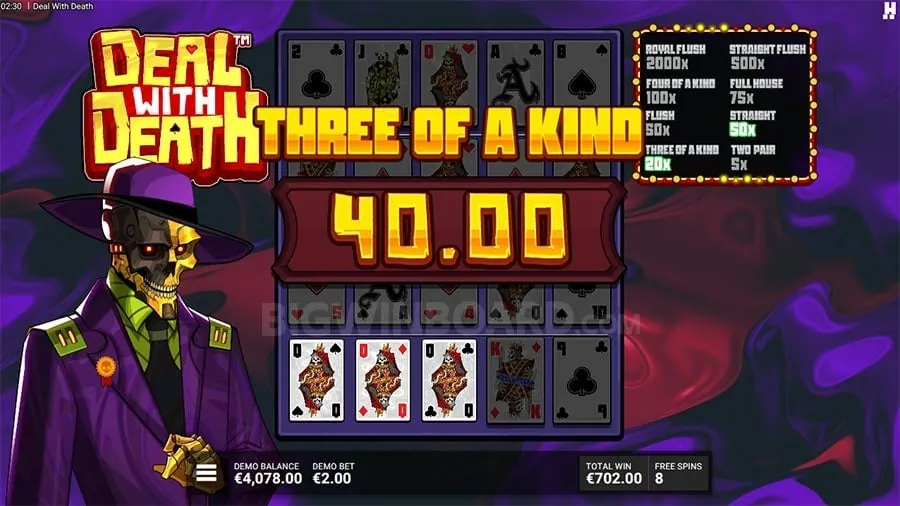
Casino games exhibit a wide spectrum of variance, and recognizing where each game falls is critical for effective bankroll management. Slot machines are the quintessential high-variance game. While they offer the allure of massive jackpots, the frequency of wins is low, and the size of losses can accumulate quickly over many spins. Table games like Blackjack, when played with optimal strategy, typically have lower variance due to their higher return-to-player (RTP) and more frequent, smaller payouts. However, even within Blackjack, side bets can drastically increase variance. Roulette, depending on the type of bet, can range from medium variance (e.g., red/black bets) to high variance (e.g., single number bets). Baccarat generally offers low variance due to its relatively even odds. Understanding these inherent characteristics allows you to choose games that align with your risk tolerance and bankroll size. For example, if you have a smaller bankroll and prefer steady play, lower-variance games might be more suitable. If you're chasing big wins and can withstand longer losing streaks, high-variance slots might be your preference. Always consider the game's volatility index, often provided by game developers, to make informed choices on phbet casino.
Variance and Downswings in Poker
Poker, unlike pure casino games, involves skill, but variance remains a significant factor. Even the best poker players experience downswings – prolonged periods of losing despite playing optimally. This is due to the short-term unpredictability of card distribution and opponent actions. A player might consistently get their money in as a statistical favorite (e.g., 80% to win) but lose several times in a row, leading to frustration and significant bankroll depletion. Understanding poker variance involves recognizing that short-term results are not indicative of long-term skill. Key factors influencing poker variance include: the game type (cash games generally have lower variance than multi-table tournaments), the number of opponents, your playing style (tight-aggressive players might experience less variance than loose-aggressive players), and the skill level of your opponents. To combat downswings, proper bankroll management is paramount – having enough buy-ins to withstand the inevitable swings. Additionally, maintaining emotional control and avoiding tilt are crucial. Recognize that bad beats are part of the game, and focus on making correct decisions rather than obsessing over short-term outcomes. phbet's poker rooms offer a diverse environment to test your skills against variance.
Navigating Variance in Sports Betting
Sports betting, while appearing more predictable due to analysis and knowledge, is also heavily influenced by variance. Unexpected events – a last-minute injury, a controversial referee call, a lucky bounce, or simply an underdog performing beyond expectations – can swing outcomes dramatically. Even with meticulous research and a proven handicapping model, losing streaks are inevitable. The variance in sports betting is influenced by factors such as: the sport itself (e.g., football might have less variance than basketball due to fewer scoring events), the type of bet (parlays have significantly higher variance than single bets), the odds (betting on heavy favorites might reduce win variance but increase stake variance), and the number of selections. A key aspect of managing variance in sports betting is understanding expected value (EV). Consistently making bets with positive EV will lead to long-term profit, but variance means you won't win every single one. Diversification across different sports, leagues, and bet types can help smooth out results. Furthermore, avoiding chasing losses and sticking to a disciplined staking plan are vital for navigating the unpredictable nature of sports outcomes. Explore your options at phbet sports.
Advanced Strategies to Manage Variance
Effectively managing variance is a hallmark of an advanced bettor. Here are several strategies to implement:
- Robust Bankroll Management: This is the cornerstone. Your bankroll should be large enough to withstand inevitable losing streaks without going broke. For high-variance games (like certain slots or multi-table poker tournaments), you might need 100+ units. For lower-variance games (like blackjack with basic strategy), fewer units might suffice. Always bet a small percentage of your total bankroll per wager.
- Game Selection: Choose games or betting markets that align with your risk tolerance and bankroll. If you can't afford significant swings, stick to lower-variance options.
- Diversification: Don't put all your eggs in one basket. In sports betting, diversify across different sports or leagues. In casino play, consider rotating between game types.
- Understanding Expected Value (EV): Focus on making decisions that have a positive expected value in the long run. Variance will obscure this in the short term, but consistently positive EV decisions will lead to profit over time.
- Adjusting Strategy for Volatility: In poker, you might adjust your playing style (e.g., tighter or looser) based on the variance you're experiencing or the specific tournament structure.
- Utilizing Promotions Wisely: phbet promo offers can sometimes reduce the impact of variance by providing extra capital or cashback, but always read the terms and conditions carefully.
- Tracking Results: Meticulously track your wins, losses, and the games/bets you make. This data can help you identify patterns, understand your personal variance, and refine your strategies.
The Psychological Impact of Variance and How to Overcome It
Variance doesn't just affect your bankroll; it profoundly impacts your psychology. Prolonged losing streaks (downswings) can lead to frustration, self-doubt, and the dreaded